
Massage Therapy vs Osteopathy: Key Differences in Approach and Techniques
If you have ever wondered whether to book a massage therapy session or an osteopathy appointment, you are not alone. Both therapies use hands-on techniques to relieve pain and improve well-being, yet they differ significantly in philosophy, methods, and goals. Understanding these differences helps you choose the right treatment for your body. At Sequoia Massothérapie on the Plateau-Mont-Royal in Montreal, we offer both disciplines under one roof so you can get exactly the care you need.
Philosophical Foundations
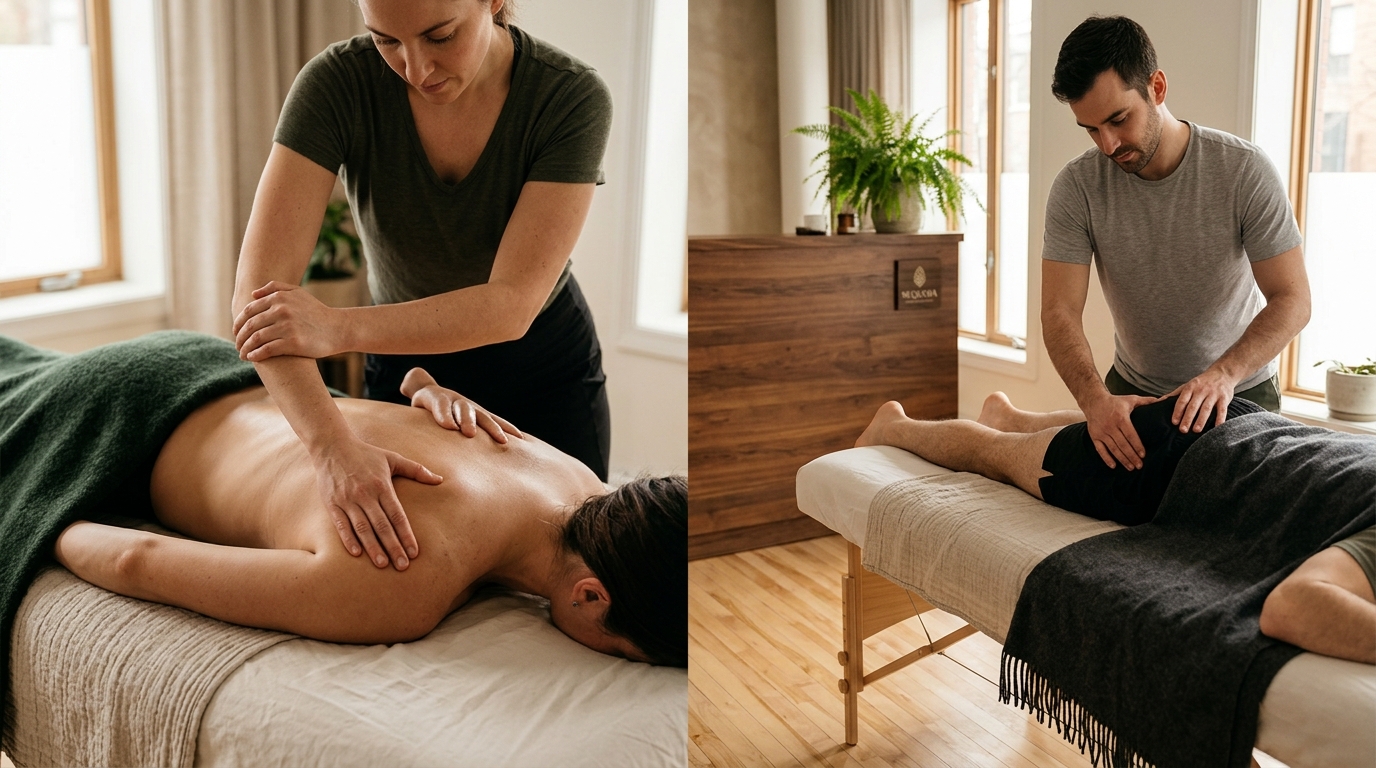
Massage therapy is a hands-on practice focused on manipulating soft tissues, including muscles, tendons, and ligaments, to promote relaxation, relieve tension, and improve circulation. Therapists concentrate on the area of discomfort and work to reduce symptoms directly through pressure and movement.
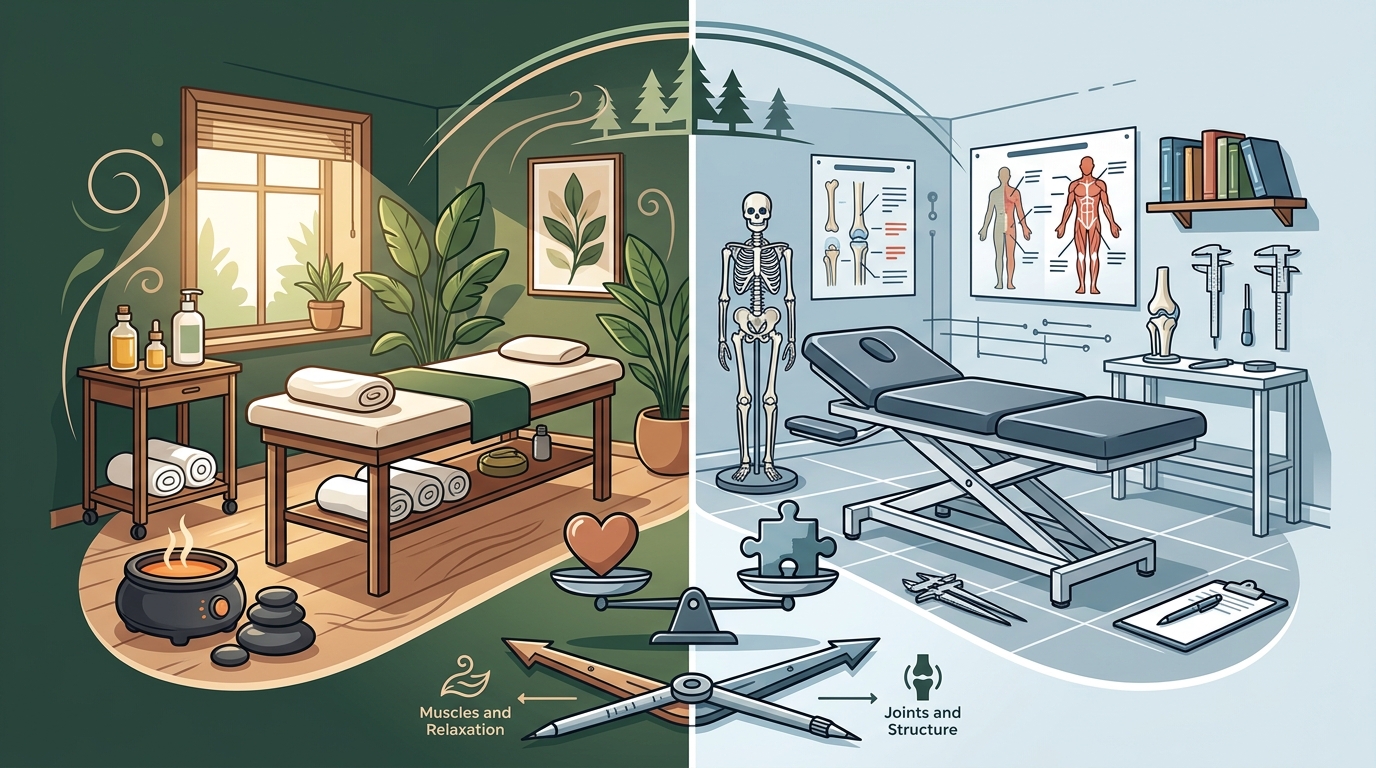
Osteopathy is a holistic form of manual therapy that views the body as an interconnected system, where a disturbance in one area can affect overall health. Founded by Dr. Andrew Taylor Still in the late 19th century, it is based on the principle that structure and function are closely linked. At Sequoia's osteopathy practice, the goal is to re-establish the body's overall consistency and preserve functional balance.
Core Techniques Compared
Massage Therapy Techniques
Massage therapists use techniques such as kneading, pressing, and stroking to work on soft tissues. Common modalities include Swedish massage, deep tissue work, trigger point therapy, and Tui Na massage. The focus remains on muscles and fascia to ease tension, improve blood flow, and accelerate recovery.
Osteopathic Techniques
Osteopaths employ a broader range of methods. These include joint mobilization and articulation, soft tissue release, cranial techniques that gently address the skull and nervous system, and visceral techniques targeting internal organs. Lifestyle and postural advice is also part of a typical osteopathy treatment plan.
Where They Overlap
Both disciplines rely on hands-on pressure and share some soft tissue methods. Trigger point therapy, for instance, appears in both toolkits. The critical distinction is scope: osteopathy integrates joint manipulation and systemic assessment that massage therapy does not typically include.
Side-by-Side Comparison Table
| Aspect | Massage Therapy | Osteopathy |
|---|---|---|
| Primary Focus | Soft tissues (muscles, fascia) | Whole-body structure and function |
| Philosophy | Symptomatic relief | Holistic, root-cause oriented |
| Key Techniques | Kneading, stroking, deep tissue, trigger points | Joint mobilization, cranial work, visceral techniques |
| Assessment | Brief intake focused on areas of tension | Comprehensive physical and postural evaluation |
| Treatment Goals | Relaxation, circulation, muscle recovery | Restoring structural balance and long-term function |
| Session Add-Ons | Aromatherapy, hot stones | Lifestyle advice, corrective exercises |
| Best For | Stress, sore muscles, tension headaches | Chronic pain, joint issues, postural imbalances |
Conditions Each Therapy Treats Best
Massage therapy is a great option if you are dealing with stress, sore muscles, tension headaches, or general fatigue. It works well as part of a regular wellness routine and is popular for sports recovery.
Osteopathy is particularly effective for treating musculoskeletal conditions such as back pain, neck pain, and sports injuries, but it also addresses headaches, digestive problems, and circulatory disorders. Because osteopathy searches for the root cause rather than just treating symptoms, it tends to offer longer-lasting structural improvements. For example, lower back pain might be treated by addressing tension in the hips or limited movement in the spine.
Explore the full range of services at Sequoia Massothérapie to see which approach matches your needs.
What to Expect During a Session
A Massage Therapy Session
A typical visit begins with a brief review of your concerns and problem areas. The therapist then uses hands-on techniques for 60 to 90 minutes, targeting specific zones of tension. Sessions are personalized and can range from gentle Swedish work to firm deep tissue pressure.
An Osteopathy Session
Osteopathy begins with a thorough assessment of your medical history and a physical examination to identify structural imbalances. The practitioner develops a customized plan that may include joint mobilization, soft tissue release, and cranial techniques. Discussions about posture, lifestyle, and exercise are common. At Sequoia, osteopathic care is administered by trained professionals who take the time to understand the whole picture.
Combining Both Therapies for Optimal Results
For many people, a combination of massage therapy and osteopathy provides the best results. Massage helps maintain muscle flexibility and offers immediate tension relief, while osteopathy addresses the deeper structural components necessary for long-term wellness. This complementary approach is one reason centres like Sequoia Massothérapie offer both disciplines alongside services such as acupuncture and lymphatic drainage.
According to the London School of Osteopathy, osteopathy provides a more comprehensive treatment plan by addressing the body as a whole and incorporating the nervous system and organs into care. Pairing that systemic view with targeted soft tissue work from massage therapy creates a powerful wellness strategy.
Key Takeaways
- Massage therapy focuses on soft tissue relief, while osteopathy treats the body as an interconnected system.
- Osteopathy includes joint mobilization, cranial techniques, and visceral work that massage does not.
- For chronic pain or postural issues, osteopathy tends to deliver longer-lasting structural change.
- For stress relief, sore muscles, or sports recovery, massage therapy is an excellent first choice.
- Both therapies use hands-on techniques but differ in assessment depth and treatment scope.
- Combining both approaches often yields the best overall outcomes.
- Sequoia Massothérapie in Montreal offers both services in one convenient Plateau-Mont-Royal location.
Frequently Asked Questions
What is the main difference between massage therapy and osteopathy?
Massage therapy targets muscles and soft tissues for tension relief and relaxation. Osteopathy takes a whole-body approach, assessing and treating structural causes of pain such as joint restrictions and postural imbalances.
Is osteopathy better than massage for back pain?
Osteopathy is often more effective for chronic back pain because it addresses structural imbalances throughout the body rather than focusing only on the sore area. Massage therapy can complement it by relieving surrounding muscle tension.
Can I receive both massage therapy and osteopathy?
Yes. Many patients benefit from combining both treatments. Osteopathy addresses structural and functional issues, while massage therapy assists in muscle recovery and relaxation.
How long is a typical osteopathy session?
An initial osteopathy session usually lasts 60 to 75 minutes, including a thorough assessment. Follow-up sessions are often 45 to 60 minutes. Massage therapy sessions typically run 60 to 90 minutes.
Are massage therapy and osteopathy covered by insurance in Quebec?
Many extended health insurance plans in Quebec cover both massage therapy and osteopathy. Coverage varies by provider, so check with your insurer. Sequoia Massothérapie can provide receipts for insurance claims.
Do osteopaths crack joints like chiropractors?
In Canada, osteopathic manual practitioners generally do not use high-velocity thrust techniques. They rely on gentler mobilization and soft tissue methods to restore movement.
Which therapy should I try first?
If your main concern is muscle tension or stress, start with massage therapy. If you have recurring pain, joint stiffness, or postural problems, an osteopathy assessment is a good first step. The team at Sequoia can help guide your decision.
How often should I book sessions?
Frequency depends on your condition. Acute issues may require weekly visits initially, while maintenance care might mean monthly sessions. Your therapist will recommend a schedule tailored to your goals.
Ready to Feel the Difference?
Whether you need targeted muscle relief or a comprehensive structural assessment, Sequoia Massothérapie has you covered. Our experienced practitioners in Montreal's Plateau-Mont-Royal neighbourhood are ready to create a personalized treatment plan just for you. Contact us today to book your appointment and discover which therapy is right for your body.